
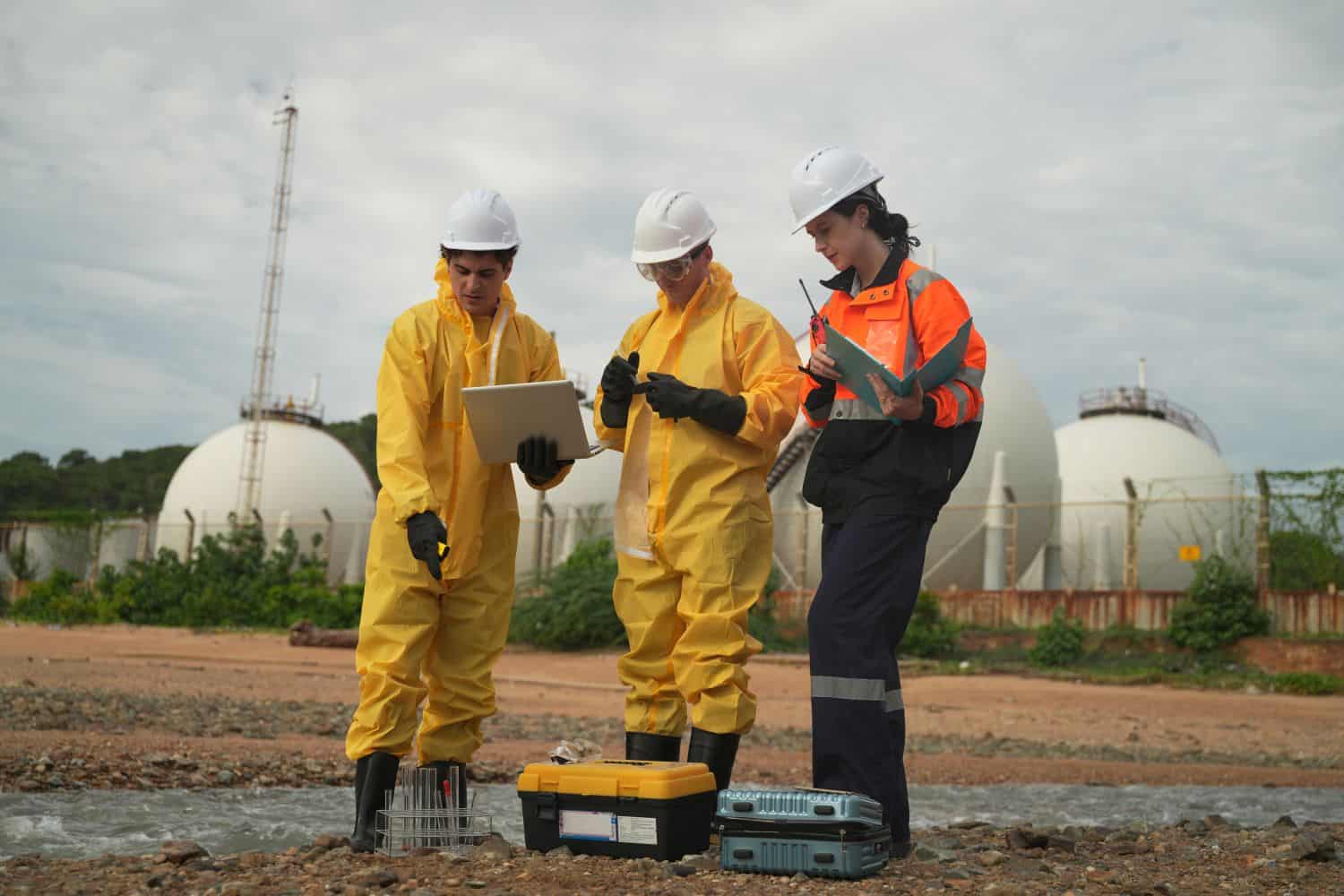
Volatile Organic Compounds (VOCs) are carbon-based chemicals known for their unusually high vapor pressure, a physical characteristic that allows them to readily evaporate into the surrounding atmosphere at standard room temperatures. While these substances are critical in the manufacturing of industrial solvents, polymer plastics, and synthetic adhesives, their gaseous emissions pose significant risks to human health. Prolonged inhalation of these chemical vapors, especially in poorly ventilated or enclosed spaces, can lead to severe respiratory issues, allergic reactions, and long-term neurological damage.
To mitigate these hidden hazards and guarantee strict regulatory compliance, modern manufacturers must subject their raw materials and finished goods to a precise voc test. This specialized laboratory procedure identifies, extracts, and quantifies the exact volume of harmful off-gassing produced by a specific component. Utilizing highly sensitive analytical equipment, such as thermal desorption gas chromatography-mass spectrometry (TD-GC-MS), analytical chemists can measure trace emission levels down to the parts-per-billion range, ensuring that products are completely safe for everyday consumer use.
Key Industrial Applications for Emission Analysis
Evaluating chemical emissions is a non-negotiable quality control step across multiple manufacturing sectors to guarantee consumer protection and environmental safety.
- Automotive and Transportation: The interiors of cars, trains, and aircraft are highly confined spaces. Components such as polyurethane foams, dashboard plastics, and synthetic leather must be rigorously tested to ensure they do not release toxic fumes when the cabin experiences extreme heat build-up from direct sunlight.
- Construction and Interior Architecture: Indoor air quality heavily depends on the materials used during building construction. Floor adhesives, wall paints, varnishes, and composite wood panels undergo strict emission evaluations to prevent long-term indoor air pollution in residential and commercial spaces.
- Electronics and IT Equipment: Modern electronic devices generate significant internal heat during operation. Emission screening ensures that plastic housings, printed circuit boards, and internal wiring do not emit hazardous organic vapors when they reach their peak operating temperatures.
Ensuring Global Market Acceptance
Meeting strict global emission standards is a mandatory requirement for entering the international market. Regulatory frameworks, such as the automotive VDA standards and international indoor air quality guidelines, dictate strict chemical threshold limits. To navigate these complex compliance requirements, proactive companies actively seek out Alstesting Voc testing services in Malaysia to obtain the objective, accredited data necessary to pass rigorous audits.
Protecting end-users from toxic off-gassing is a critical manufacturing responsibility. Integrating continuous emission monitoring through an Alstesting Laboratory Testing service in Malaysia guarantees that all manufactured materials maintain the absolute highest standards of environmental and respiratory safety.
Frequently Asked Questions (FAQ)
What is the difference between VOCs and SVOCs in laboratory testing?
VOCs (Volatile Organic Compounds) evaporate very quickly at room temperature. SVOCs (Semi-Volatile Organic Compounds) have a higher boiling point and evaporate much more slowly. A comprehensive emission test will often measure both categories to ensure that a material is entirely safe over a long-term period, as SVOCs can continue to off-gas for years.
How do laboratories extract these gases from solid materials?
Laboratories use a method called dynamic headspace or micro-chamber extraction. A solid material sample is placed inside a highly controlled, sealed chamber and heated. A flow of ultra-pure inert gas is then passed over the sample to sweep the emitted vapors onto an absorbent tube, which is subsequently analyzed by the mass spectrometer.
Why is temperature control so crucial during emission testing?
Temperature directly controls the rate of evaporation. By testing materials at elevated temperatures (such as 65°C or 100°C), laboratories can accurately simulate worst-case real-world scenarios, such as a car parked in the summer sun or a high-performance computer running at maximum capacity.