
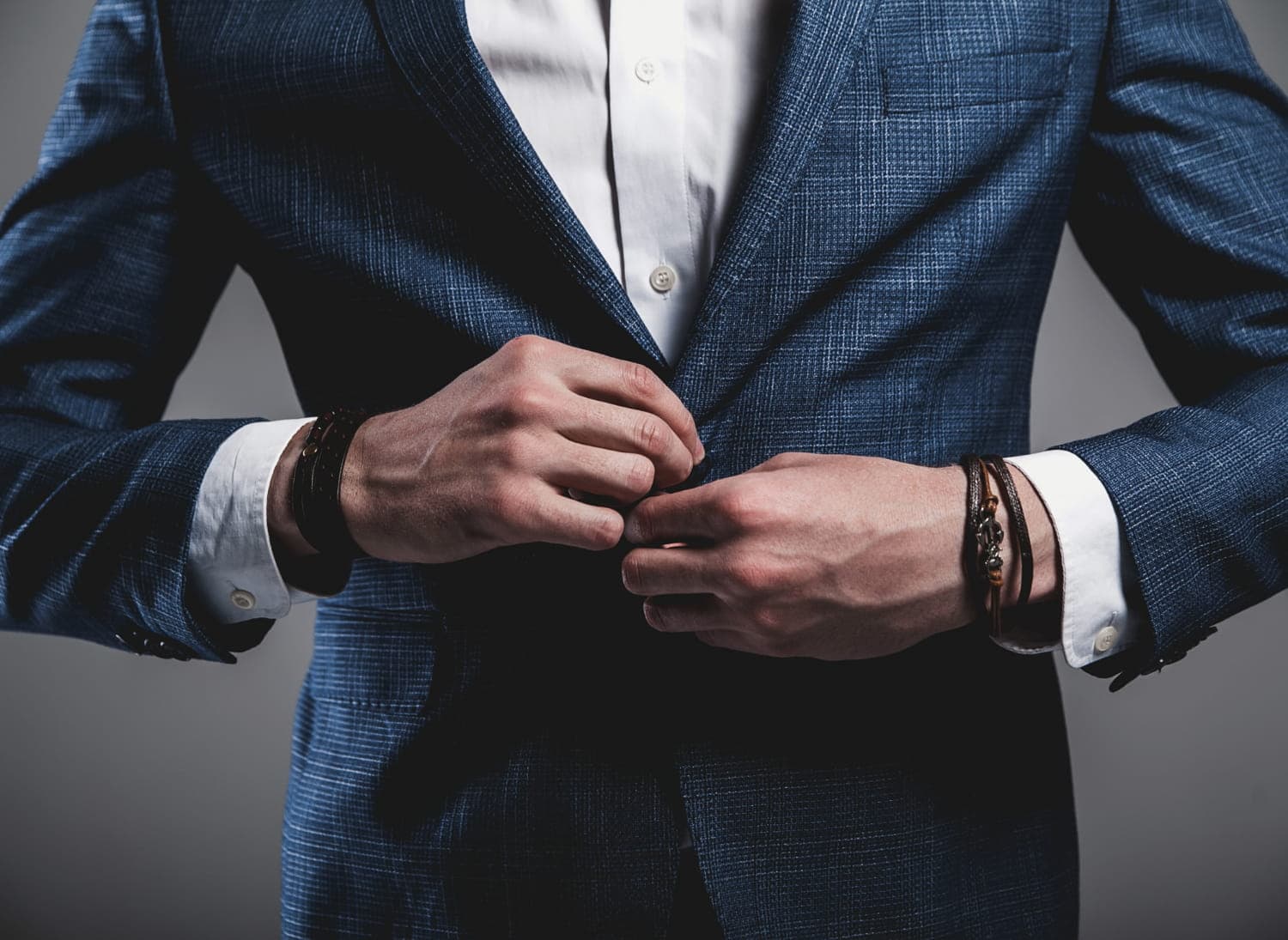
The first time we land in Bangkok with “get a suit made” on our to‑do list, it’s easy to feel overwhelmed. Every few meters there’s a sign for a tailor Bangkok shop promising “24‑hour suits” and “best price in town.” Some are excellent. Many are forgettable. A few are outright tourist traps.
In this guide, we’re going to strip away the noise. We’ll walk through why Bangkok is such a powerful custom-clothing hub, what’s actually worth getting tailor-made, how to spot a reliable tailor, and how to plan your visit so you leave with garments that fit beautifully and last for years.
If you’re serious about coming home with a suit, shirt, or dress that feels truly made for you, not just a rushed souvenir, this is how we’d approach finding the right tailor in Bangkok.
Why Bangkok Is A World-Famous Tailoring Destination
Bangkok didn’t become a tailoring hotspot by accident. There’s a set of advantages here that’s hard to beat:
- Deep tailoring tradition
For decades, Bangkok has attracted skilled cutters and pattern makers from Thailand and neighboring countries. Many family-run shops have been in business since the 80s and 90s, refining their craft on diplomats, business travelers, and locals who wear suits daily.
- Access to fabrics at competitive prices
Thanks to regional textile hubs (like China and India) and Thailand’s own fabric import networks, a tailor in Bangkok can offer a surprisingly wide range of wools, cottons, linens, and blends at prices that are often far lower than in Europe, North America, or Australia.
- Labor costs vs. skill level
Labor is more affordable than in the West, but that doesn’t mean the work is “cheap.” Many workshops specialize in handmade details, hand‑sewn armholes, canvassed jackets, intricate alterations, that would cost a fortune elsewhere.
- Tourist-friendly schedules
Bangkok tailors are used to working with travelers on short stays. They know how to structure multiple fittings over just a few days, which is a big reason the phrase tailor Bangkok shows up on so many travel bucket lists.
- Competition pushes quality up
With hundreds of tailors clustered in relatively small areas, the best shops survive by offering consistent fit, solid construction, and good after-sales service. That competition is a win for us, if we know how to pick wisely.
What To Get Tailor-Made In Bangkok
We don’t need to custom-make everything. Some items give us far more value for money when we go bespoke or made-to-measure in Bangkok.
Suits, Shirts, And More: Classic Items Worth Ordering
If we’re prioritizing, these are the core pieces worth ordering from a reputable tailor Bangkok shop:
- Business suits (two- or three-piece)
Ideal if we work in a corporate environment or need something versatile for meetings and events. Ask for a classic navy or charcoal in a mid-weight wool, which will work in most climates.
- Dress shirts
Custom shirts are one of the biggest upgrades we can make. Proper sleeve length, collar size, and shoulder fit make a huge difference. Order at least 2–4 if time and budget allow: once the pattern’s set, re-ordering is easy.
- Wedding suits and tuxedos
Bangkok is a strong choice for wedding wear. We can specify details like lapel shape, lining color, monograms, and matching vests for groomsmen if needed.
- Sport coats and blazers
A lightweight blazer in unstructured construction is perfect if we travel often. It dresses up jeans or chinos instantly.
- Trousers and chinos
If we struggle with off‑the‑rack sizing (thighs, seat, or waist never quite right), tailoring our trousers is a game-changer.
- Women’s workwear and dresses
Many Bangkok tailors also specialize in women’s garments, blazers, sheath dresses, skirts, and even evening gowns. For women, a well-fitting blazer or dress can be just as impactful as a suit is for men.
Business, Casual, Or Wedding: Matching Your Garments To The Occasion
Before we step into any shop, we’re better off being clear on where we’ll wear the clothes:
- Business / Office
Opt for darker, solid colors or very subtle patterns. Think navy, charcoal, or medium gray wool suits, with white, light blue, or pale pink shirts. Aim for a modern but not overly trendy cut.
- Smart casual / Travel
Here we can loosen up: cotton or linen-blend blazers, chinos, and casual shirts. Consider soft shoulders, patch pockets, and less structure for comfort in Bangkok’s heat and back home.
- Weddings and formal events
If it’s our wedding, we can go bolder: tuxedos, three‑piece suits, or unique fabrics like velvet for jackets. For guests, we might choose a more classic navy or mid-blue with a touch of personality in the lining or tie.
When we tell a tailor clearly, “We need a suit for year‑round office use in a temperate climate,” or “We’re getting married on the beach,” they can recommend appropriate fabrics, colors, and details instead of just pushing whatever’s easiest to sell.
How To Choose A Reliable Tailor In Bangkok
With so many shops calling out “Custom suit, my friend?”, it’s crucial we distinguish real craftsmanship from pure salesmanship.
Reading Reviews And Portfolios The Right Way
Online reviews are useful, but only if we read them critically:
- Look for patterns, not one-off opinions.
Do multiple reviews praise the same things, fit, after-sales alterations, communication? Consistency is a strong sign.
- Check for photo evidence.
Photos of actual customers (not models) wearing finished suits tell us a lot about shoulder shape, drape, and overall style.
- Pay attention to how the shop responds.
If a review mentions a problem and the tailor replies politely and offers to fix it, that’s a good sign of aftercare.
In the shop, we should always ask to see:
- Finished garments on-site, not just fabric books and catalog pictures.
- House style examples: is everything extremely slim and short, or do they have range?
Red Flags: Signs You Should Walk Away
There are a few warning signs we shouldn’t ignore when choosing a tailor in Bangkok:
- Hard, pushy sales tactics.
If we’re being rushed into a big package (multiple suits and shirts) within minutes of walking in, that’s not a good start.
- Promises of “same-day” full suits.
Minor alterations can be done quickly, but a proper custom suit needs at least one or two fittings over a couple of days. Ultra-fast turnaround usually means shortcuts.
- Very low prices for “pure wool” or “cashmere.”
If it sounds too good to be true, it usually is. True high-quality fabrics have a cost.
- No fittings offered.
A shop that only measures once and says “come pick up tomorrow” isn’t serious about fit.
- Unwillingness to explain construction or details.
A good tailor is happy to show us canvassing, lining options, and how they finish seams.
If two or three of these red flags pop up, we’re better off thanking them and walking out.
Understanding Fabrics, Styles, And Construction Quality
Even a basic grasp of fabrics and construction helps us have smarter conversations with any tailor Bangkok shop.
Fabric Types And What They Are Best For
Here’s a quick breakdown of common suiting and shirting fabrics we’ll see in Bangkok:
- Wool (and wool blends)
- Best for: Business suits, all‑round use.
- Why: Breathable, drapes well, resists wrinkles better than cotton. Look for Super 100s–120s for a good balance of durability and softness.
- Linen / Linen blends
- Best for: Hot weather, beach weddings, casual blazers.
- Why: Extremely breathable and light. It wrinkles, but that’s part of its charm.
- Cotton and cotton blends
- Best for: Casual suits, chinos, and shirts.
- Why: Comfortable and easy to care for, though not as formal as wool.
- Synthetic blends (polyester, viscose, etc.)
- Best for: Tight budgets and travel-only suits.
- Why: Cheap and wrinkle-resistant, but warmer, less breathable, and less luxurious.
For shirts, focus on 100% cotton or high-quality cotton blends. Poplin, twill, and oxford weaves each have their own feel: a good tailor can let us touch samples and explain the difference.
Fit And Style Options To Discuss With Your Tailor
We don’t need to be fashion experts, but we should know the basics of what to ask for:
- Jacket fit: slim vs. regular, how much waist suppression we want, and whether we prefer a softer or more structured shoulder.
- Jacket length: a classic length usually covers the seat: overly short jackets can date quickly.
- Lapel style and width: notch vs. peak lapels, and a width that matches our frame (very skinny lapels aren’t for everyone).
- Trousers: pleats or flat front, leg opening width, and whether we like cuffs.
- Shirts: collar type (spread, button‑down, cutaway), cuff style (button or French), and how much room we want through the torso.
It helps to bring reference photos, screenshots or pictures of suits we like. That’s often clearer than trying to describe everything from scratch.
Construction Details That Separate Great From Average
The difference between a great tailor in Bangkok and an average one often shows up on the inside of the garment:
- Canvassing:
High-quality jackets use a full or half canvas layer between the fabric and lining, which helps the jacket drape naturally and mold to our body over time. Fused jackets (fully glued) are cheaper and can bubble as they age.
- Stitching:
Look for neat, even stitching on the inside seams and around buttonholes. Slight hand-stitched irregularity is normal, but messy threads aren’t.
- Lining:
Bemberg or high-quality viscose breathes better than cheap polyester. For hot climates, we can ask for a half-lined or unlined back.
- Buttons and buttonholes:
Horn or high-quality resin buttons elevate the look. Hand-finished buttonholes are a nice bonus on higher-end orders.
When in doubt, we can simply ask: “Can you show us the difference between your entry-level and premium construction?” A good shop will lay everything out clearly.
Planning Your Visit: Timelines, Fittings, And Budget
A bit of planning before we land in Thailand makes the whole tailor Bangkok experience smoother.
How Many Days You Need And Typical Visit Schedule
For a proper suit, we should ideally allow 3–5 days in Bangkok. A typical schedule looks like this:
- Day 1: Consultation & measurements
We choose fabrics, discuss style, and get measured. Some tailors might also do a quick shirt order here.
- Day 2: First fitting (basted fitting)
The suit is loosely assembled to check key points: shoulders, chest, waist, jacket length, and trouser fit.
- Day 3–4: Second fitting
Adjustments from the first fitting are refined. For more complex garments (like wedding suits), there might be a third fitting.
- Day 4–5: Final try-on & pickup
Final tweaks are done. If we’re leaving town, the tailor may arrange shipping for any minor follow-up adjustments.
If we only have two days, we can still get something made, but we should lower expectations: focus on shirts or simpler garments, or work with a highly organized, well-reviewed tailor.
Typical Price Ranges And What Affects The Cost
Prices vary widely depending on fabric, construction, and reputation. Rough ballparks (USD-equivalent) for a tailor in Bangkok:
- Entry level suits: ~$150–$250
Often fused construction, synthetic blends or lower-end wools. Fine for occasional use, but not ideal for daily office wear.
- Mid-range suits: ~$250–$500
Better fabrics (often wool blends or decent pure wools), improved construction, more fittings. This is where many good value shops sit.
- High-end suits: $500+
Premium fabrics, full or half canvassing, detailed handwork, more time per garment.
Shirts can range from $25–$80+, depending on fabric quality and construction. Remember, we’re paying for both materials and time, so ultra-cheap offers usually cut corners somewhere.
Add-Ons And Alterations: Getting The Most From Your Order
To maximize value, we should think beyond just “one suit, one shirt”:
- Extra trousers:
If we’re ordering a suit for regular office wear, an extra pair of trousers in the same fabric helps the suit last much longer.
- Spare buttons and fabric:
Ask for spare buttons and a small fabric swatch: these are useful for future repairs or matching accessories.
- Alterations policy:
Clarify whether minor tweaks are included after pickup. Many good shops will happily adjust sleeves or waist within a reasonable time frame.
- Future orders:
Once the pattern is dialed in, we can re-order shirts or even another suit remotely. Some tailors keep our measurements and pattern on file for years.
Budget-wise, it’s often smarter to order a bit less, but better quality. One well-made, versatile suit plus a few shirts will see more real-world use than a stack of poorly made pieces.
Popular Tailor Areas And How To Avoid Common Tourist Traps
Bangkok’s tailoring scene is spread across several key neighborhoods. Knowing where to go, and what to avoid, saves us time and hassle.
Key Tailoring Neighborhoods In Bangkok
Some of the most popular areas for finding a tailor in Bangkok include:
- Sukhumvit (especially Asok to Nana)
Packed with shops from budget to high-end. Because it’s so touristy, quality ranges dramatically, so research is important.
- Silom and Surawong
Traditionally known for business travelers and expats. We’ll find both long-running institutions and smaller boutiques here.
- Ploenchit / Chidlom
Closer to luxury malls and embassies. Prices may be higher, but we often get a more refined experience.
- Online-first or appointment-only studios
Some of the best modern Bangkok tailors now operate by appointment, focusing on fewer clients and more customization.
Tourist Trap Tailors Vs. Established Shops
Tourist traps are easy to spot once we know the signs:
- Heavy reliance on street touts dragging people in.
- Huge window posters shouting “3 suits + 5 shirts $199…”
- A focus on speed and volume over careful measurement and fittings.
Established shops, on the other hand, usually have:
- A steady stream of repeat customers and referrals.
- Thoughtful consultation rather than immediate “discount” pitches.
- Real fitting rooms, clear order forms, and transparent pricing.
We’re better off walking a few extra blocks, or even taking a BTS ride, to visit a well-reviewed, long-standing tailor than settling for whoever shouts the loudest near our hotel.
Cultural Tips For A Smooth Tailoring Experience
A few cultural notes go a long way in Bangkok:
- Be polite and patient.
Thailand values calm, respectful interaction. Firm is fine: aggressive rarely helps.
- Know that bargaining has limits.
Light negotiation can be acceptable, but haggling a quality tailor down to rock-bottom pricing usually means they’ll need to compromise somewhere.
- Dress appropriately for fittings.
Wear (or bring) the shoes and a similar shirt to what we’ll wear with the suit. This helps the tailor judge length and overall balance.
- Communicate clearly.
If something feels off during a fitting, sleeves too tight, trousers pulling, speak up. Most tailors genuinely want us to be happy with the result.
Handled well, getting clothes made by a tailor Bangkok side can be one of the most memorable and rewarding parts of the trip, not just a transaction.
Conclusion
Bangkok offers a rare combination: skilled tailors, wide fabric choice, and pricing that makes custom clothing accessible to many of us for the first time. But the city also has more than its share of rushed, low-quality operations.
If we focus on three things, choosing the right tailor, understanding the basics of fabrics and construction, and giving ourselves enough time for proper fittings, we dramatically improve our chances of leaving Thailand with garments we’ll wear for years.
So when we plan our next trip and type “tailor Bangkok” into our itinerary, we shouldn’t treat it as a last-minute souvenir stop. With a bit of assignments and clear communication, it can be an investment in our everyday style and confidence long after the holiday ends.